ARTICLE / THE MAKING OF... SERIES
The making of...
MUSEWASH.
In a world where “eco-friendly” often means beige packaging and a compromise on performance, Lauren Macrino wanted to prove that the most mundane chores could be beautiful, effective, and inspiring. Enter MUSEWASH, a Los Angeles based brand that is rethinking laundry with enzyme-powered sheets, perfume-grade scents, and design that belongs as much on your bathroom shelf as in your washing machine.
We sat down with Lauren to talk about turning everyday utility into art, testing her way through formula chaos, and what it takes to bootstrap a brand in a category dominated by giants.
Series
The making of... Series
Tags
#MUSEWASH #founderstories #brandbuilding #sustainability #entrepreneurlife #startupstories #themakingof #brandstrategy #designthinking #creativefounder #scalingbrands
Hey Lauren, welcome to The making of… Thanks for joining us. Let’s start at the beginning: who are you, and what’s the story behind MUSEWASH?
I’m Lauren, founder and creative director of MUSEWASH, a design-forward laundry sheet brand based in Los Angeles. I’m originally from Australia and moved to the US about 15 years ago to work as a designer. I was lucky to get my start working with legendary brands like Apple and Guess?, where I honed my eye for storytelling and craft. In 2020, I co-founded re_grocery, a refill-focused grocery store, and most recently I launched MUSEWASH as a solo venture that brings together my love of design, sustainability, and creating everyday things that feel inspiring.

Lauren Macrino, the founder of MUSEWASH
Your background spans design, branding, and even launching a refill-focused grocery store. What pulled you from tech and retail into laundry?
I’ve always found laundry products so boring and inconvenient. Like, is this it? There’s been some innovation, but for something we all do so often, it felt like there should be more. I was over the messy jugs, the fake “fresh” scents, and the branding that made a chore feel even more like a chore. I wanted to create something that felt elevated, but approachable, like your favorite fragrance or skincare ritual but for laundry.
That’s how MUSEWASH was born. They’re enzyme-powered sheets with perfume-grade scents and clean ingredients that make laundry feel less like a task and more like a small moment of inspiration.
Laundry sheets aren’t exactly the sexiest category. What was the spark that made you think, “There has to be a better way”?
I dug into everything from the science of detergents to consumer perception of eco-friendly cleaning. I read countless studies on ingredients, looked at competitors in the clean-laundry space, and did a lot of direct testing with friends and early users. What I found was that people want a product that is effective first, but they will stick with it if it makes them feel something.

That spark is one thing, but turning it into a real product is another. How did you go about testing, iterating, and getting from sticky samples to something people would actually use (and love)?
Testing a product like this on a small scale is tough. Finding the right manufacturing partner who aligned with our values was key. The first iterations were definitely scrappy. Coming from a design background, packaging mattered a lot to me, but so did the formula. The manufacturer was an expert on formulas but not so much on packaging, so we were sort of educating each other.
Laundry sheets also have a reputation for being less effective than liquids, so I focused on building a formula with a multi-enzyme blend that delivers a powerful clean without harsh chemicals. Scent was another big testing point. We went through endless rounds to find the right balance: noticeable but not overpowering, gentle enough for sensitive skin, and something you actually want in your home. Each round of sampling got us closer to a better formula, better fragrance, better box design. Now, MUSEWASH looks and works the way I imagined.
Every founder has a ‘scrappy early days’ story. What did those first runs look like, and how did you balance formula and packaging?
I love the challenge of keeping things small and efficient, so I bootstrapped everything myself. I did the design, branding, website, and invested my own savings into product development and inventory. It’s lean, but keeping control matters to me. It lets me build this in a way that feels sustainable both creatively and financially.
Building a brand in this space is about more than clean clothes. How did you approach branding and design so that MUSEWASH feels different from other eco products?
Branding is my background, so I obsessed over it. I didn’t want it to scream “eco-product” with leaves and beige. To me, sustainability is a baseline, not a whole brand. Instead, I designed MUSEWASH to feel like a perfume or design object, something you would actually want to leave out in your home. I want laundry to be cool! The name came from the idea of being inspired by small things, of laundry as part of a bigger creative ritual.
Awareness is tough for any emerging brand. How are you getting MUSEWASH in front of people, and what’s been working best so far?
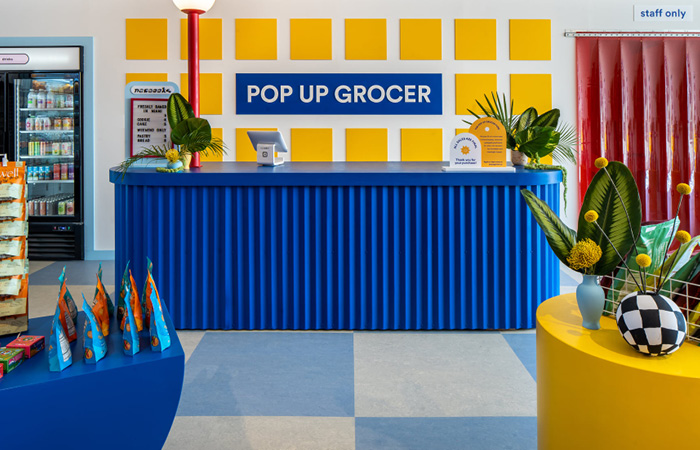
Right now, I’m building awareness through a mix of organic Instagram content, word of mouth, and wholesale placements with design-forward retailers like Pop-Up Grocer. My focus is making content that feels aesthetic, relatable, and a little off-beat, more like a fashion or beauty brand than a cleaning product.
We’re massive fans of Pop-Up Grocer! Such great products. Ok, looking ahead, what’s the biggest challenge you see in competing with big-name players, and how are you preparing for it?
The biggest challenge will be growing as a small business in a category dominated by huge corporations with endless budgets. Competing with the buying power of cleaning giants makes everything harder, from securing shelf space to running ads. My goal is to find smart, creative ways to build reach and loyalty without losing the design-driven, editorial feel that makes us different.
Ok, final question. With all you’ve learned, what advice would you give to another founder just starting their own journey?
Keep it simple, lean, and true to what excites you. It’s easy to get lost in what investors, competitors, or algorithms say you should be doing. But the most magnetic brands come from founders who genuinely love their own product and build it in a way that feels like them.